Jakob Foster · 17 September 2026
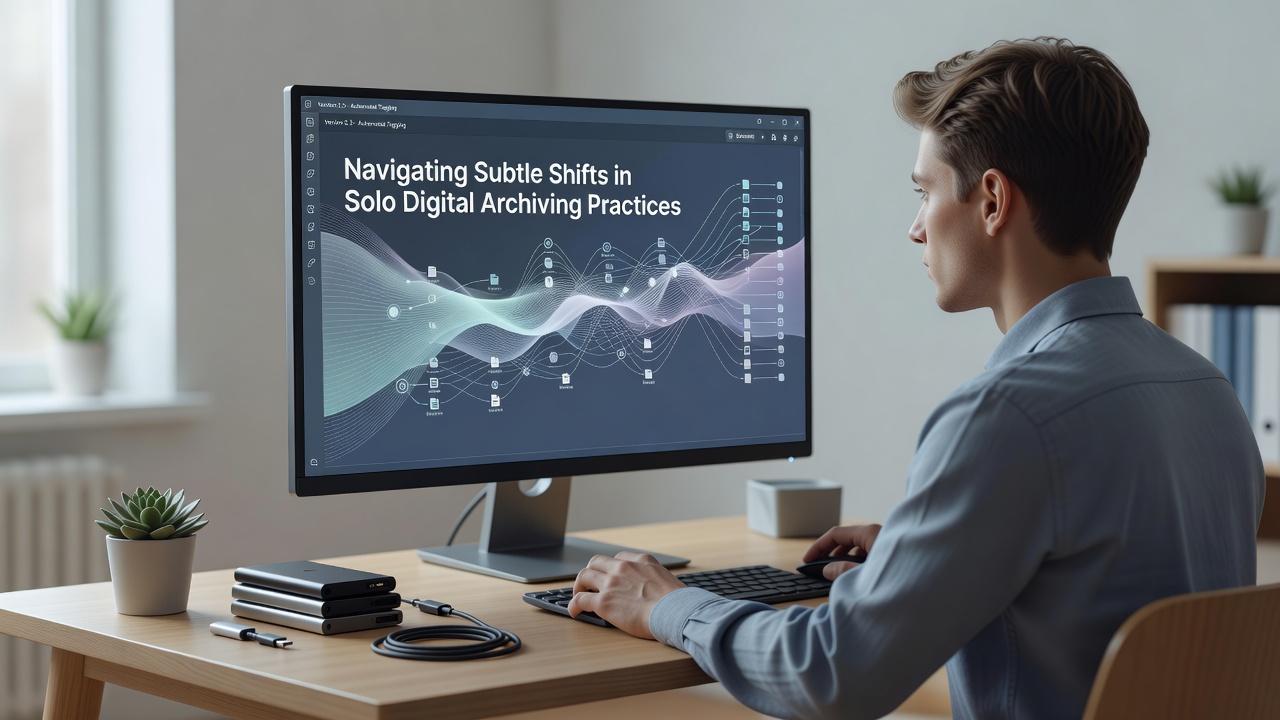
Navigating Subtle Shifts in Solo Digital Archiving Practices
Individuals managing their own digital collections encounter ongoing adjustments as storage media evolve, file formats change, and access requirements shift over time. Data from multiple surveys shows that personal archives now encompass everything from family photographs and financial records to email correspondence and creative projects, all stored across devices that range from local drives to distributed cloud services. Those who maintain such collections report that early decisions about organization often determine how easily materials remain retrievable years later.
Current Landscape of Personal Digital Preservation
Studies conducted by research institutions indicate that solo archivists typically begin with ad hoc methods such as copying files to external drives or uploading select items to consumer cloud platforms, yet these approaches encounter limits when data accumulates across decades. Figures from national statistical agencies reveal that average household data volumes have increased steadily, driven by higher-resolution media and continuous device capture. Observers note that many people now combine multiple storage layers, including local NAS units for primary copies and encrypted offsite services for redundancy, because single-point solutions leave gaps when hardware fails or providers alter terms.
Researchers tracking format migration patterns have documented how older file types gradually lose support in mainstream applications, prompting individuals to convert collections during routine maintenance cycles rather than waiting for sudden obsolescence. One documented case involved a researcher who converted an entire music library from proprietary codecs to open standards after discovering playback issues on newer operating systems, a process that required systematic verification to avoid data loss during batch operations.
Technological and Format Transitions
Hardware transitions continue to influence solo practices as manufacturers phase out older interfaces and introduce new ones with improved capacities. Data from industry reports shows solid-state drives now dominate new purchases while older magnetic media still hold significant portions of legacy collections, requiring specialized readers that grow scarce. Those who have studied these patterns emphasize the value of maintaining at least one working example of each legacy interface during transition periods, because sudden hardware incompatibility can strand entire directories.
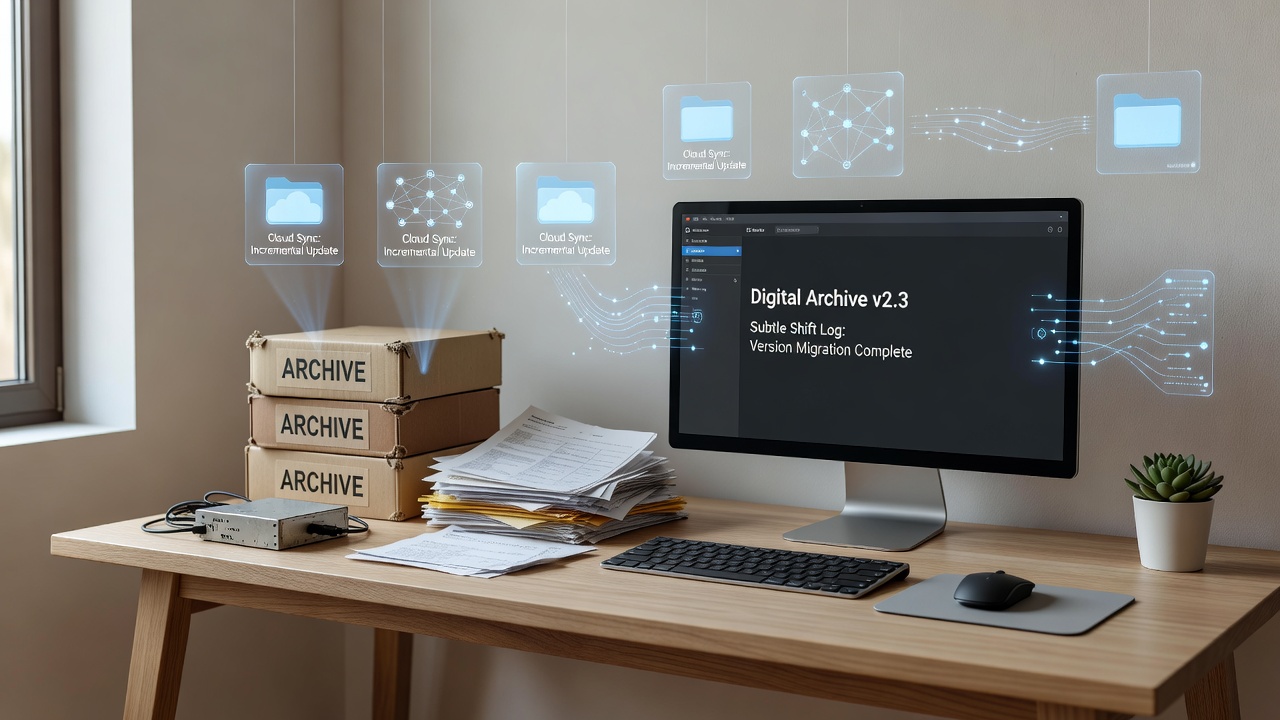
Software ecosystems also introduce subtle pressures through automatic updates that deprecate codecs or alter metadata handling without explicit notice. Academic papers on digital longevity highlight cases where embedded timestamps or geolocation tags became inaccessible after routine operating system upgrades, forcing archivists to extract and reattach information manually. Experts recommend periodic integrity checks that compare checksums across copies, a step that identifies corruption before it spreads during replication.
Legal and Access Considerations
Regulatory frameworks affecting personal data storage continue to develop across regions, with updates scheduled in several jurisdictions for September 2026 that address retention periods and cross-border transfer rules. Resources available through the Library of Congress digital preservation site outline recommended practices for maintaining authenticity when migrating records that carry legal weight. Individuals handling sensitive materials often consult jurisdiction-specific guidance because requirements for encryption standards and audit trails differ between North American, European, and Asia-Pacific frameworks.
Access planning receives increasing attention as people consider how heirs or designated representatives will locate and interpret archived materials. Reports from university research centers describe projects where detailed inventories created in advance reduced the time required for successors to understand folder structures and naming conventions. Those preparing such inventories frequently include both human-readable descriptions and machine-readable metadata, allowing future tools to parse context even if original applications disappear.
Emerging Tools and Verification Methods
New utilities focused on personal-scale preservation have appeared that automate checksum verification and format identification without requiring institutional infrastructure. Comparative studies published in archival science journals show these tools reduce manual effort while maintaining transparency through open logging, enabling users to review every operation performed during a migration batch. People who integrate such utilities into regular workflows report fewer instances of silent data degradation compared with earlier manual copying routines.
Community-maintained documentation projects compile tested procedures for specific device combinations and software versions, creating shared knowledge bases that individual practitioners consult when encountering unfamiliar formats. These resources evolve through contributions from users who document both successful migrations and the precise steps that resolved compatibility issues, providing practical references that complement formal guidelines from government agencies.
Conclusion
Solo digital archiving practices adapt continuously to hardware cycles, format changes, and regulatory updates that affect how individuals store and retrieve personal collections. Evidence from multiple sources demonstrates that layered storage strategies, regular integrity verification, and forward planning for access reduce the risk of loss over extended periods. As preparations advance for revised guidelines expected in September 2026, those maintaining independent archives continue to refine methods that balance convenience with long-term reliability across evolving technical environments.